
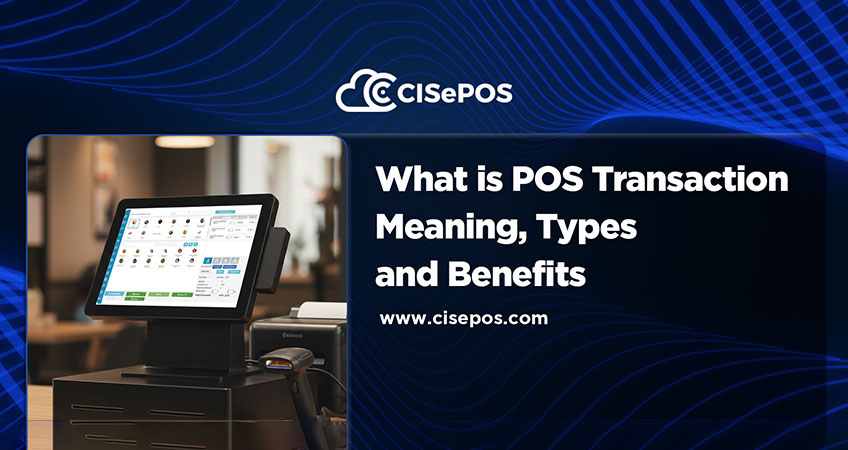
A POS transaction, or point of sale transaction, is a payment that takes place when a customer buys a product or service from a business. This can happen in person at a physical store or online through a virtual checkout. The meaning of a POS transaction is straightforward: it is the final step in which money changes hands between a buyer and a seller.
In banking terms, POS refers to the electronic transfer of funds from a customer’s account to a merchant’s account. This transfer happens through a card network, a payment processor, and the issuing bank. The whole process takes just seconds, but it involves multiple systems working together.
Whether you run a restaurant, a salon, a gym, or a hotel, every payment your customer makes is a POS transaction. Modern point-of-sale systems like.
Types of POS Transactions
1. In-Store Transactions
This is the most common type. A customer walks into your store, picks a product, and pays at the counter. The cashier scans items, and the customer pays by card, cash, or mobile wallet. The POS terminal processes the payment instantly.
2. Online or E-Commerce Transactions
When a customer shops on your website, the payment goes through a virtual point-of-sale system. The customer enters their card details or uses a digital wallet to complete the purchase. This type of POS transaction for businesses is growing fast, especially for retailers who sell both online and offline.
3. Mobile POS Transactions
A mobile POS turns a smartphone or tablet into a payment terminal. This works great for food trucks, pop-up shops, and delivery services. You can accept card payments anywhere without being tied to a fixed counter.
4. Contactless Transactions
Contactless payments use NFC (Near Field Communication) technology. Customers tap their card or smartphone on the terminal to pay. This is fast and hygienic, which is why it has become so popular in restaurants and retail stores.
5. Return and Refund Transactions
Not every point-of-sale transaction is a sale. When a customer returns an item, the POS system processes a refund and credits the amount back to the original payment method. At the same time, inventory gets updated automatically. This keeps your records accurate without extra manual work.
How Does a POS Transaction Work?
- Transaction Initiation: The customer selects items. The cashier scans barcodes or enters item details into the POS system to start the checkout.
- Payment Processing: The customer pays by card, cash, or mobile wallet. For card payments, the POS terminal sends the card details to the payment processor for verification.
- Authorization: The customer’s bank checks if funds are available and approves or declines the transaction. This step happens in seconds.
- Transaction Completion: Once approved, the POS system records the sale. A receipt is printed or sent digitally. Inventory levels update in real time.
- Settlement: At the end of the day, the merchant settles all card transactions in a batch. The funds are transferred from the customer’s bank to the merchant’s account, minus any processing fees.
Benefits of POS Transactions for Businesses
Faster Checkouts, Happier Customers
Long queues push customers away. A modern POS system speeds up every transaction so your staff can serve more customers in less time. That directly improves the customer experience.
Real-Time Inventory Management
Every point-of-sale transaction for businesses updates stock levels automatically. So, you always know what you have in hand. This helps you avoid running out of popular items and prevents overstocking.
Fewer Errors, More Accuracy
Manual billing leads to mistakes. A POS system handles calculations automatically, which means fewer pricing errors, fewer disputes, and less stress for your team.
Better Sales Reports and Insights
Your point-of-sale system collects data from every sale. Over time, this data reveals your best-selling products, peak hours, and customer trends. You can use these insights to make smarter buying and staffing decisions.
Fraud Prevention and Security
Modern POS systems use encrypted payment technology to protect customer data. This reduces the risk of fraud and builds trust with your customers. Secure transactions also help you stay compliant with payment industry standards.
What is POS Reconciliation?
Point-of-sale reconciliation is the process of matching your daily sales records against the actual payments you received. This includes cash, card payments, and digital wallet transactions. It helps you spot any missing payments or errors before they become bigger problems. Regular reconciliation keeps your books clean and your finances accurate.
Conclusion
Now that you understand the POS transaction meaning, the types, and the benefits, the next step is simple. Choose a point-of-sale system that fits your business. CISePOS offers reliable, easy-to-use solutions for restaurants, hotels, gyms, and retail stores. So, get started today and take control of every sale.